
About Sleep Apnea
Home » About Sleep Apnea
What is Obstructive Sleep Apnea
| Normal Breathing | Obstructive Sleep Apnea |
|---|---|
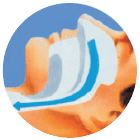 |
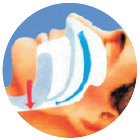 |
What are common symptoms on sleep apnea?
- Snoring
- Day time fatigue and sleepiness
- Sleepiness while watching tv or reading
- Morning headaches
- Urination at night
- A dry throat on waking up
- Gasping or choking at night
- Teeth grinding
- Disrupted sleep
- Night time arm and leg movements
- People with sleep apnea may experience a range of symptoms that can affect their daily life and overall health. Common signs include loud snoring, persistent daytime fatigue and sleepiness, and a tendency to doze off while watching television or reading. Many individuals also report waking up with morning headaches, needing to urinate frequently during the night, and experiencing a dry throat upon waking. Episodes of gasping or choking during sleep, teeth grinding, disrupted sleep, and involuntary arm and leg movements at night are also frequently observed. Recognizing these symptoms is important for early diagnosis and effective management of sleep apnea
What are medical complications of sleep apnea
- High blood pressure
- Heart failure
- Stroke
- Obesity
- Diabetes
- Increase risk of having work related or driving accidents
- Obstructive sleep apnea can lead to several serious medical complications if not properly treated. It significantly increases the risk of high blood pressure and heart failure due to repeated drops in blood oxygen levels during sleep. Individuals with sleep apnea are also more likely to experience strokes and develop conditions such as obesity and diabetes, as disrupted sleep affects metabolism and insulin sensitivity.Additionally, excessive daytime sleepiness and impaired concentration raise the likelihood of work-related and driving accidents, making early diagnosis and management crucial for overall health and safety.
What is the link of obstructive sleep apnea with various medical dieases?
Obstructive sleep apnea (OSA) is closely linked to a range of serious medical diseases that can impact overall health and quality of life. Individuals with OSA face a significantly higher risk of developing high blood pressure, coronary artery disease, and heart failure due to repeated drops in blood oxygen levels during sleep. The condition is also associated with an increased likelihood of stroke and heart rhythm disturbances, such as arrhythmias, which can further strain the cardiovascular system. In addition to heart-related complications, OSA has been connected to type 2 diabetes, metabolic syndrome, and obesity, as disrupted sleep affects metabolism and insulin sensitivity. Other health issues linked to OSA include liver problems, such as nonalcoholic fatty liver disease, and a greater risk of work-related or driving accidents due to excessive daytime sleepiness and impaired concentration. Recognizing and treating OSA is essential to reduce these risks and protect long-term health.